
A Fumigated Containers Awareness Course is designed to educate individuals about the safe handling and management of containers that have undergone fumigation.
The course typically covers the principles of fumigation, the chemicals used, and the potential hazards associated with these processes.
Participants learn about the importance of recognizing fumigated containers and understanding the risks involved in handling them. The course aims to equip workers, logistics personnel, and safety officers with the knowledge necessary to identify fumigated containers and implement safety measures effectively. By providing comprehensive training, the course seeks to minimize accidents and health risks associated with exposure to toxic fumigants.
It emphasizes the need for awareness in various sectors, including shipping, agriculture, and warehousing, where fumigated containers are commonly encountered. Ultimately, the course serves as a critical resource for promoting safety and compliance in environments where fumigation is practiced.
Key Takeaways
- Fumigated Containers Awareness Courses educate on the safe handling and risks of fumigated shipping containers.
- Understanding chemical hazards and exposure risks is crucial for worker safety.
- Proper training and certification ensure compliance with regulations and reduce accidents.
- Recognizing fumigation signs helps prevent unintentional exposure to toxic gases.
- Emergency response procedures are essential for effectively managing fumigation-related incidents.
Understanding the Risks of Fumigated Containers
Fumigated containers pose several risks that can have serious implications for health and safety. The primary concern revolves around the toxic chemicals used during the fumigation process, which can linger in the container long after treatment has been completed. These chemicals, such as methyl bromide or phosphine, are designed to penetrate materials and eliminate pests but can also pose significant health risks to humans if inhaled or absorbed through the skin.
Understanding these risks is crucial for anyone involved in the handling or transportation of fumigated goods. Moreover, the potential for accidental exposure increases when proper protocols are not followed. Workers may unknowingly open a container that has not been adequately ventilated, leading to inhalation of harmful gases.
Symptoms of exposure can range from mild respiratory irritation to severe neurological effects, depending on the level and duration of exposure. Therefore, it is essential for individuals to be aware of these risks and to understand the importance of adhering to safety guidelines when dealing with fumigated containers.
Minimising Risks: Best Practices for Handling Fumigated Containers
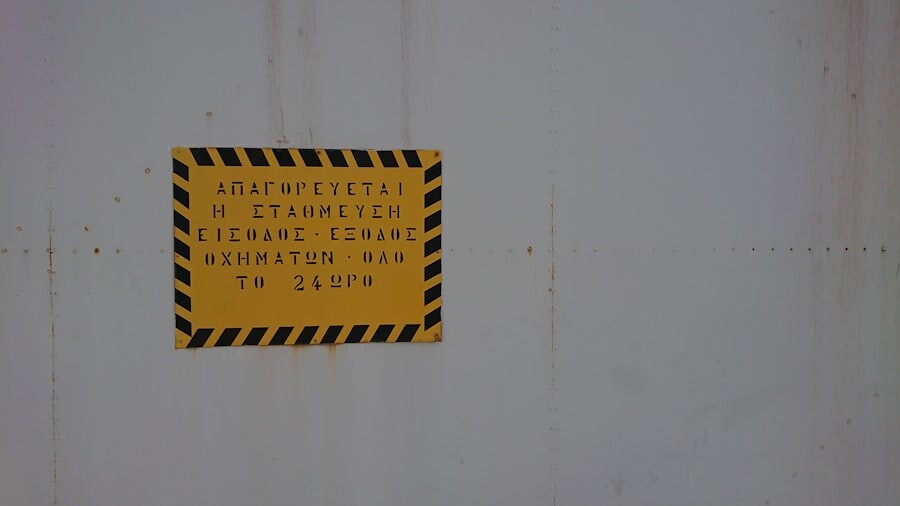
To minimize the risks associated with fumigated containers, several best practices should be implemented. First and foremost, it is vital to ensure that all personnel involved in handling these containers are adequately trained and informed about the specific hazards they may encounter. This includes understanding the types of fumigants used, their potential effects on health, and the necessary precautions to take when working with these containers.
Regular training sessions and refresher courses can help maintain a high level of awareness among staff. In addition to training, proper labeling and signage are essential components of risk management. Containers that have been fumigated should be clearly marked with appropriate warning labels indicating the type of fumigant used and any necessary precautions.
This visual communication serves as a constant reminder for workers to exercise caution when approaching or handling these containers. Furthermore, implementing strict access controls can help limit exposure by ensuring that only trained personnel are allowed near fumigated containers.
The Importance of Proper Training and Certification
Proper training and certification are critical components in ensuring safety when dealing with fumigated containers. Training programs should not only cover the theoretical aspects of fumigation but also include practical exercises that allow participants to apply their knowledge in real-world scenarios. This hands-on approach helps reinforce learning and prepares individuals to respond effectively in various situations they may encounter while handling fumigated goods.
Certification serves as a formal acknowledgment of an individual’s competence in managing fumigated containers safely. It provides employers with confidence that their staff possesses the necessary skills and knowledge to mitigate risks associated with fumigation. Additionally, many regulatory bodies require certification for personnel involved in handling hazardous materials, making it a legal necessity in some jurisdictions.
By prioritizing training and certification, organizations can foster a culture of safety that protects both employees and the environment.
Recognizing the Signs of Fumigated Containers
| Metric | Value | Details |
|---|---|---|
| Course Duration | 4 hours | Includes theory and practical sessions |
| Number of Modules | 5 | Introduction, Safety, Handling, Regulations, Certification |
| Target Audience | Shipping & Logistics Personnel | Includes fumigation operators and container handlers |
| Certification Validity | 2 years | Requires refresher course after expiry |
| Pass Rate | 85% | Based on latest course batch results |
| Course Fee | Contact for details | Varies by location and provider |
| Safety Compliance | 100% | Aligned with international fumigation standards |
Recognizing the signs of fumigated containers is essential for ensuring safety in environments where these containers are present. One of the most critical indicators is the presence of warning labels or placards affixed to the container’s exterior. These labels typically provide information about the type of fumigant used, any associated hazards, and instructions for safe handling.
Workers should be trained to identify these labels quickly and understand their significance. In addition to labels, there may be other visual cues indicating that a container has been fumigated. For instance, some containers may exhibit signs of ventilation or have been sealed in a manner that suggests they have undergone treatment.
Workers should also be aware of any unusual odors emanating from a container, as certain fumigants can produce distinct smells that may indicate residual chemicals. By being vigilant and knowledgeable about these signs, individuals can take appropriate precautions to protect themselves from potential exposure.
Emergency Response Procedures for Fumigated Containers
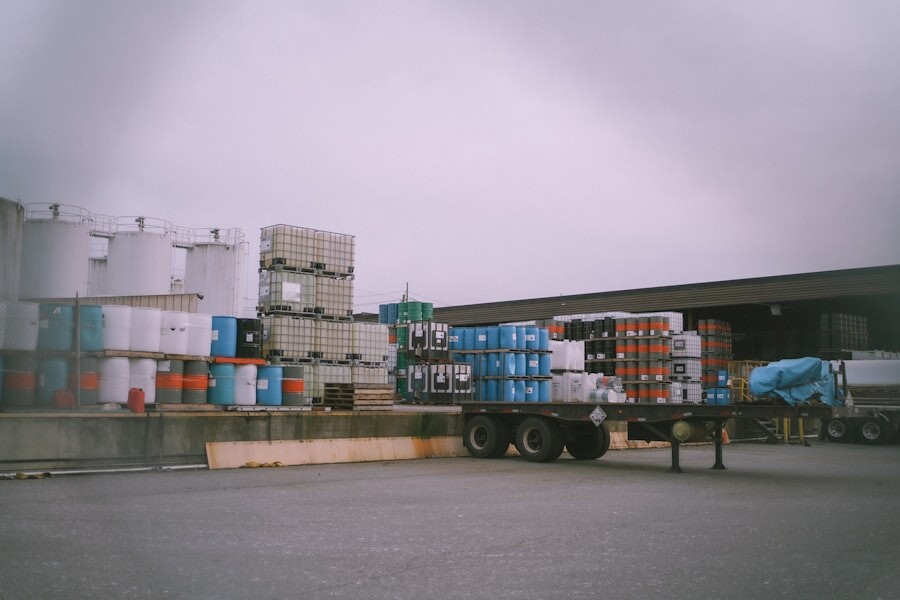
In the event of an emergency involving fumigated containers, having well-defined response procedures is crucial for minimizing harm and ensuring safety. Organizations should develop comprehensive emergency response plans that outline specific actions to take in case of accidental exposure or leaks from a fumigated container. These plans should include clear communication protocols, evacuation procedures, and designated roles for emergency response teams.
Training employees on these emergency procedures is equally important. Regular drills can help ensure that all personnel are familiar with their roles during an emergency and can respond swiftly and effectively. Additionally, having readily accessible personal protective equipment (PPE) on-site can provide an extra layer of safety for workers who may need to intervene in an emergency situation involving fumigated containers.
Regulatory Compliance and Industry Standards
Regulatory compliance is a fundamental aspect of managing fumigated containers safely. Various national and international regulations govern the use of fumigants and outline specific requirements for handling treated goods. Organizations must stay informed about these regulations to ensure they are operating within legal parameters and protecting their employees’ health.
Industry standards also play a significant role in shaping best practices for handling fumigated containers. Organizations such as the International Maritime Organization (IMO) and the World Health Organization (WHO) provide guidelines that help establish safe practices within the industry. By adhering to these standards, companies can demonstrate their commitment to safety and environmental responsibility while minimizing legal liabilities associated with non-compliance.
The Benefits of Fumigated Containers Awareness Training
Investing in Fumigated Containers Awareness Training offers numerous benefits for organizations involved in logistics, shipping, or pest control. One of the most significant advantages is enhanced safety for employees. By equipping workers with knowledge about the risks associated with fumigated containers and how to handle them safely, organizations can reduce the likelihood of accidents and health issues related to exposure.
Furthermore, awareness training fosters a culture of safety within an organization. When employees understand the importance of following safety protocols and recognize their role in maintaining a safe work environment, they are more likely to adhere to best practices consistently. This proactive approach not only protects workers but also enhances overall operational efficiency by minimizing disruptions caused by accidents or health-related incidents.
By understanding the risks associated with these containers, implementing best practices for safe handling, prioritizing training and certification, recognizing warning signs, preparing for emergencies, complying with regulations, and fostering a culture of safety through awareness training, organizations can significantly reduce risks while promoting a safer work environment for all employees involved in this critical aspect of logistics and pest control management.
The Fumigated Containers Awareness Course is essential for professionals involved in the handling and transport of fumigated containers, ensuring safety and compliance with regulations. For those interested in understanding the broader context of hazardous materials transport, you may find the article on the transport of dangerous goods, which conforms to ADR and IMDG regulations, particularly informative. You can read more about it in this related article.
