Asbestos, a naturally occurring mineral, has been widely recognized for its durability and resistance to heat, making it a popular choice in various industries for decades. However, the very properties that made asbestos appealing also contribute to its significant health risks. When asbestos fibers are disturbed, they can become airborne and inhaled, leading to serious health complications. The risks associated with asbestos exposure are not limited to immediate effects; they can manifest years or even decades after the initial exposure. This long latency period complicates the understanding of the risks, as individuals may not connect their health issues to past asbestos exposure.
Moreover, the dangers of asbestos are not confined to specific occupations or environments. While certain industries, such as construction and shipbuilding, have historically had higher exposure rates, asbestos can be found in many older buildings and homes. This widespread presence means that individuals who may not have worked directly with asbestos can still be at risk. Understanding these risks is crucial for both individuals and communities, as it empowers them to take proactive measures to mitigate exposure and protect their health.
Asbestos, a once-popular building material, poses significant health risks when its fibers become airborne, leading to serious respiratory diseases. Many homes and workplaces still contain asbestos in insulation, flooring, and other materials, making it crucial for individuals to be aware of its presence and the potential dangers it brings. For a deeper understanding of the regulations and safety measures regarding hazardous materials, including asbestos, you can read more in this informative article on the recent amendments to hazardous materials regulations at Hazmat Course.
Key Takeaways
- Asbestos exposure poses serious health risks, including respiratory issues and cancers.
- Asbestos can be found in both homes and workplaces, often in older buildings.
- Proper identification and management of asbestos are crucial to prevent exposure.
- Professional testing and removal are essential for safe asbestos handling.
- Legal regulations govern asbestos removal to protect public health and safety.
The Presence of Asbestos in Homes
Many homeowners may be unaware that their residences could contain asbestos materials. Asbestos was commonly used in building materials such as insulation, roofing shingles, floor tiles, and textured paints until the late 1970s when its dangers became more widely recognized. In homes built before this period, the likelihood of encountering asbestos is significantly higher. For instance, popcorn ceilings, which were popular in many homes during the mid-20th century, often contained asbestos fibers. This hidden presence poses a risk during renovations or repairs when materials are disturbed.
The challenge lies in identifying these materials without proper knowledge or testing. Homeowners may inadvertently expose themselves and their families to asbestos fibers while undertaking DIY projects or renovations. It is essential for individuals to be aware of the potential for asbestos in their homes and to approach any renovations with caution. Professional inspections can help identify the presence of asbestos and guide homeowners on safe practices for managing or removing these materials.
The Presence of Asbestos in Workplaces
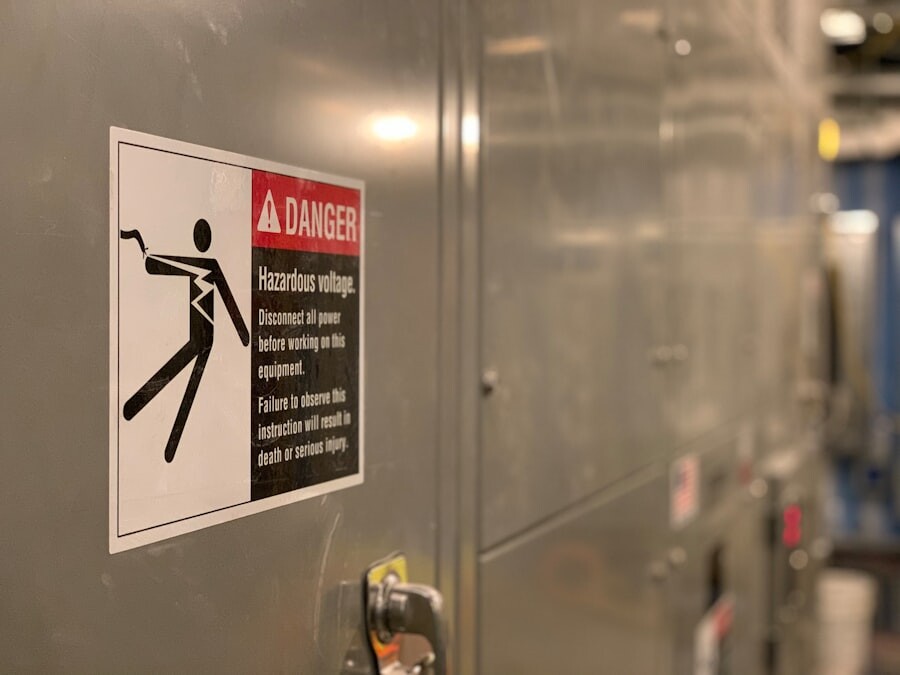
Asbestos exposure is not limited to residential settings; it has also been a significant concern in various workplaces. Industries such as construction, shipbuilding, automotive manufacturing, and even some schools have historically used asbestos-containing materials extensively. Workers in these environments may have been exposed to airborne fibers during tasks such as cutting, sanding, or demolishing materials that contained asbestos. The risk is particularly acute for those who worked in these industries before regulations were put in place to limit asbestos use.
In addition to direct exposure, secondary exposure is another concern. Family members of workers who handled asbestos may also be at risk if fibers were brought home on clothing or equipment. This phenomenon highlights the pervasive nature of asbestos and its potential to affect individuals beyond those directly involved in its use. Understanding the presence of asbestos in workplaces is vital for implementing safety measures and ensuring that employees are adequately protected from exposure.
Health Dangers Posed by Asbestos

The health dangers posed by asbestos are well-documented and alarming. Prolonged exposure to asbestos fibers can lead to a range of serious health conditions, including asbestosis, lung cancer, and mesothelioma. Asbestosis is a chronic lung disease caused by the inhalation of asbestos fibers, leading to scarring of lung tissue and difficulty breathing. This condition can severely impact an individual’s quality of life and may progress even after exposure has ceased.
Lung cancer is another significant risk associated with asbestos exposure. Individuals who have been exposed to asbestos are at a higher risk of developing lung cancer than those who have not been exposed, especially if they are also smokers. Mesothelioma, a rare but aggressive cancer that primarily affects the lining of the lungs and abdomen, is almost exclusively linked to asbestos exposure. The connection between these diseases and asbestos underscores the urgent need for awareness and preventive measures to protect individuals from this hazardous material.
Asbestos, often found in older buildings and materials, poses significant health risks that many people are unaware of, making it crucial to understand the true dangers it presents in both homes and workplaces. For those looking to educate themselves further on this pressing issue, a related article discusses the importance of proper training and safety measures in handling hazardous materials, including asbestos. You can read more about it in this informative piece on hazardous material training. Awareness and education are key to preventing exposure and ensuring safety in environments where asbestos may be present.
Respiratory Issues Caused by Asbestos Exposure
| Asbestos Exposure Source | Common Locations | Health Risks | Latency Period (Years) | Estimated Cases Annually (US) |
|---|---|---|---|---|
| Asbestos Insulation | Old homes, industrial buildings, pipe insulation | Asbestosis, Mesothelioma, Lung Cancer | 20-50 | 2,000 – 3,000 |
| Asbestos-Containing Ceiling Tiles | Schools, offices, public buildings | Respiratory issues, Mesothelioma | 15-40 | 500 – 1,000 |
| Asbestos Floor Tiles and Adhesives | Residential homes, commercial buildings | Chronic lung disease, Lung Cancer | 20-40 | 300 – 700 |
| Asbestos in Automotive Parts | Brake pads, clutches, gaskets | Mesothelioma, Lung Cancer | 15-35 | 200 – 500 |
| Asbestos in Fireproofing Materials | Factories, shipyards, power plants | Asbestosis, Mesothelioma | 25-50 | 1,000 – 2,000 |
Respiratory issues are among the most common health problems associated with asbestos exposure. When inhaled, asbestos fibers can become lodged in the lungs, leading to inflammation and scarring over time. This condition can result in chronic cough, shortness of breath, and chest pain—symptoms that may initially be mistaken for other respiratory illnesses. As the disease progresses, individuals may experience significant limitations in their ability to perform everyday activities due to compromised lung function.
In addition to asbestosis, other respiratory conditions can arise from asbestos exposure. For instance, pleural plaques—thickened areas of tissue on the lining of the lungs—can develop as a response to inhaled fibers. While pleural plaques themselves are not cancerous, they can indicate significant exposure and may be associated with other serious conditions. The respiratory issues caused by asbestos exposure highlight the importance of early detection and intervention for those who may have been exposed.
Asbestos, once hailed for its fire-resistant properties, poses significant health risks that many are unaware of, especially in older homes and workplaces. The true dangers of asbestos can linger undetected, leading to serious respiratory issues and even cancer with prolonged exposure. For those looking to educate themselves further on this critical issue, a related article can be found at Hazmat Course, which provides valuable insights into the identification and safe handling of asbestos in various environments. Understanding these risks is essential for ensuring a safe living and working space.
Asbestos-Related Cancers
You can enhance your safety skills by enrolling in a Hazmat course today.
Asbestos-related cancers represent some of the most severe consequences of exposure to this hazardous material. Mesothelioma is perhaps the most notorious of these cancers due to its strong association with asbestos exposure. This aggressive cancer often presents symptoms only after many years of latency, making early diagnosis challenging. Patients diagnosed with mesothelioma typically face a poor prognosis due to the advanced stage at which the disease is often discovered.
In addition to mesothelioma, asbestos exposure is linked to other forms of cancer, including lung cancer and laryngeal cancer. The risk of developing lung cancer increases significantly for individuals who have been exposed to asbestos, particularly if they are smokers or have other pre-existing lung conditions. The connection between asbestos and these cancers underscores the critical need for ongoing research and public health initiatives aimed at reducing exposure and improving early detection methods.
Legal Ramifications of Asbestos Exposure
The legal ramifications surrounding asbestos exposure are complex and multifaceted. Individuals diagnosed with asbestos-related diseases often seek compensation for their medical expenses, lost wages, and pain and suffering through legal channels. Many companies that manufactured or used asbestos-containing products have faced lawsuits from affected workers and their families. These legal actions have led to significant settlements and verdicts in favor of victims, highlighting the accountability of companies that failed to protect their employees from known hazards.
Moreover, legislation has evolved over the years in response to the public health crisis posed by asbestos exposure. Various laws have been enacted at both federal and state levels to regulate the use of asbestos and provide support for victims seeking compensation. However, navigating the legal landscape can be challenging for individuals affected by asbestos-related diseases, necessitating the expertise of legal professionals who specialize in this area.
Regulations and Guidelines for Asbestos Removal
In response to the health risks associated with asbestos exposure, numerous regulations and guidelines have been established to govern its removal and management. The Environmental Protection Agency (EPA) has implemented strict regulations regarding the handling of asbestos-containing materials during renovations or demolitions. These regulations require proper notification, containment measures, and disposal procedures to minimize the risk of fiber release into the air.
Additionally, many states have their own regulations that may be more stringent than federal guidelines. These regulations often mandate that only licensed professionals conduct asbestos removal and abatement activities to ensure safety for both workers and residents. Understanding these regulations is crucial for homeowners and employers alike, as non-compliance can lead to severe penalties and increased health risks.
Identifying and Managing Asbestos in Homes and Workplaces
Identifying and managing asbestos in homes and workplaces requires a proactive approach. Homeowners should consider having their properties inspected by certified professionals if they suspect the presence of asbestos-containing materials. These inspections typically involve sampling materials for laboratory analysis to confirm whether they contain asbestos fibers. If asbestos is identified, professionals can recommend appropriate management strategies based on the condition of the material.
In workplaces, employers have a responsibility to ensure a safe environment for their employees. This includes conducting regular assessments for potential asbestos hazards and providing training on safe handling practices if asbestos is present. Implementing an effective management plan can help mitigate risks associated with asbestos exposure while ensuring compliance with regulatory requirements.
The Importance of Professional Asbestos Testing and Removal
Professional testing and removal of asbestos are critical components in managing this hazardous material safely. While some homeowners may consider DIY testing kits or removal methods, these approaches can be risky and may not yield accurate results. Certified professionals possess the expertise and equipment necessary to conduct thorough inspections and safely handle asbestos-containing materials without risking exposure.
Moreover, professional removal services ensure that all regulations are followed during the abatement process. This includes proper containment measures to prevent fiber release into the air and safe disposal methods that comply with local regulations. Engaging professionals not only protects individuals from potential health risks but also provides peace of mind knowing that the job is being done correctly.
Protecting Yourself and Others from Asbestos Exposure
Protecting oneself and others from asbestos exposure involves a combination of awareness, education, and proactive measures. Individuals should educate themselves about the potential presence of asbestos in their homes or workplaces and take appropriate steps if they suspect its existence. This includes avoiding disturbing materials that may contain asbestos until they can be properly assessed by professionals.
For those working in industries where asbestos exposure is a risk, adhering to safety protocols is essential. Wearing appropriate personal protective equipment (PPE), following established safety guidelines, and participating in training programs can significantly reduce the likelihood of exposure. Additionally, fostering a culture of safety within organizations can help ensure that all employees are aware of potential hazards and know how to protect themselves effectively.
In conclusion, understanding the risks associated with asbestos exposure is vital for safeguarding health in both residential and occupational settings. By recognizing its presence in homes and workplaces, acknowledging the serious health dangers it poses, navigating legal ramifications effectively, adhering to regulations for removal, identifying potential hazards proactively, engaging professional services for testing and removal, and implementing protective measures—individuals can significantly reduce their risk of exposure to this dangerous material.